
Upper Marlboro vs. Waldorf: Which Suburban Fit Feels Like Home?
Upper Marlboro vs. Waldorf: Comparing Two Maryland Suburban Lifestyles
Choosing between two nearby communities can feel surprisingly nuanced, especially when both offer convenience, established neighborhoods, and access to major job centers. In Prince George’s and Charles counties, Upper Marlboro and Waldorf often come up in the same home search for good reason: each provides a suburban setting with its own rhythm, housing mix, and daily experience. The real question is less about which place is “better” and more about which one lines up with your commute, budget, preferred pace, and the kind of surroundings you want to come home to.
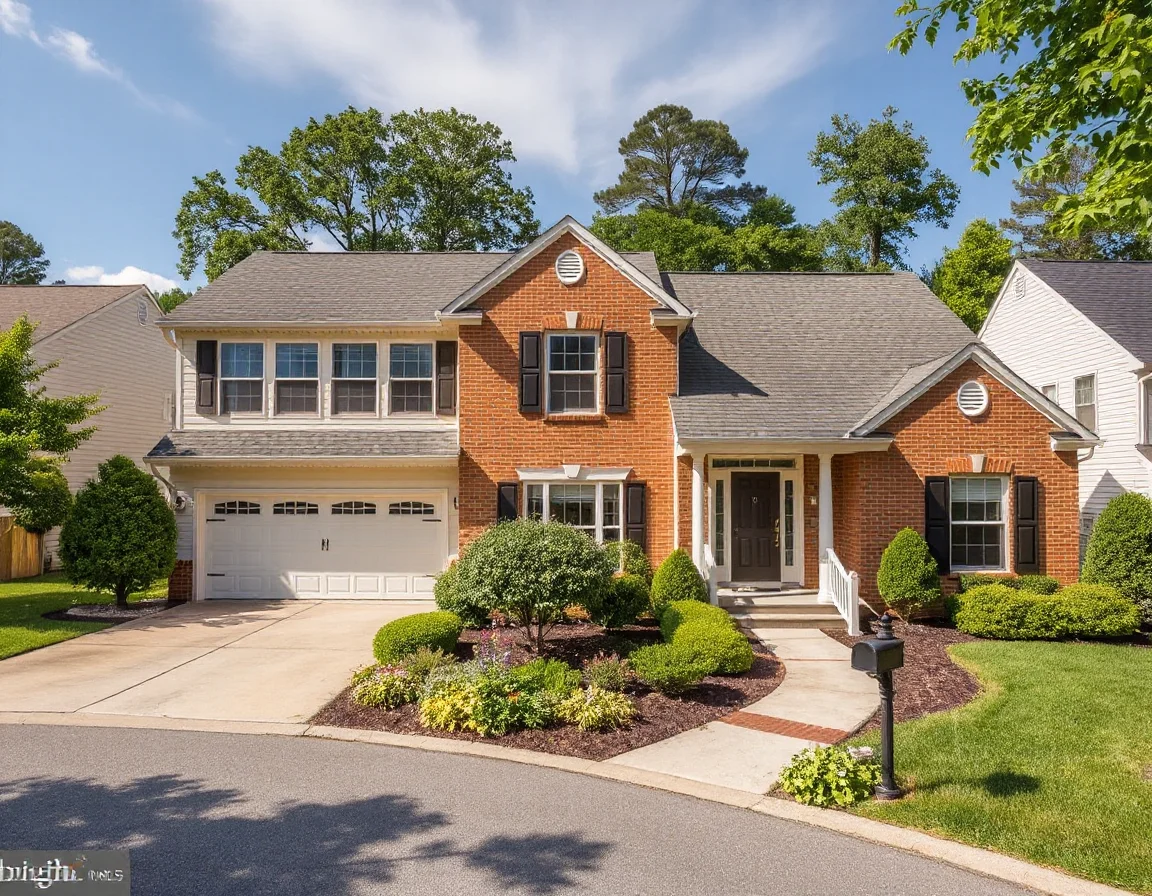
Upper Marlboro often appeals to buyers looking for a setting that feels connected to the capital region while still offering room to breathe. You’ll find a blend of established subdivisions, newer planned communities, townhomes, and single-family properties, with many areas featuring winding streets, green space, and a more tucked-away atmosphere. Its location can be a major advantage for people commuting toward Washington, DC, Joint Base Andrews, Largo, Bowie, or other nearby employment hubs in central Prince George’s County.
Waldorf, meanwhile, tends to deliver a more extensive retail corridor and a broad selection of neighborhoods spread across a larger suburban footprint. For buyers who want easy access to everyday errands, dining options, and familiar big-box conveniences, Waldorf often checks that box quickly. Housing choices range from compact townhome communities to larger detached homes on quieter residential streets, giving buyers flexibility across different price points and property styles.
One practical difference between the two comes down to pace and layout. Upper Marlboro can feel more segmented, with neighborhoods interwoven among government buildings, historic areas, and green pockets. Waldorf often feels more commercially centralized, with major roads and shopping clusters shaping the daily routine. Neither approach is inherently right or wrong; it simply depends on whether you prefer a more tucked-in layout or a suburb where amenities are concentrated and easy to spot.
Commute Patterns, Convenience, and Everyday Access
For many buyers, commute time can outweigh almost every other factor. Upper Marlboro generally has the edge for people who need more direct access to central Prince George’s County, the Beltway, or destinations closer to Washington, DC. Depending on the exact neighborhood, residents may find it easier to connect with Route 4, Route 301, and other commuter routes that support travel across the region. That positioning can make a noticeable difference in weekday routine and weekend mobility.
Waldorf has its own advantages, especially for those whose work or regular travel takes them through Charles County, Southern Maryland, or toward the U.S. 301 corridor. It also offers a more self-contained suburban experience in some respects, with a large concentration of daily conveniences close at hand. Grocery runs, casual dining, fitness centers, and service businesses are widely available, which can reduce the need to drive to neighboring communities for basic errands.
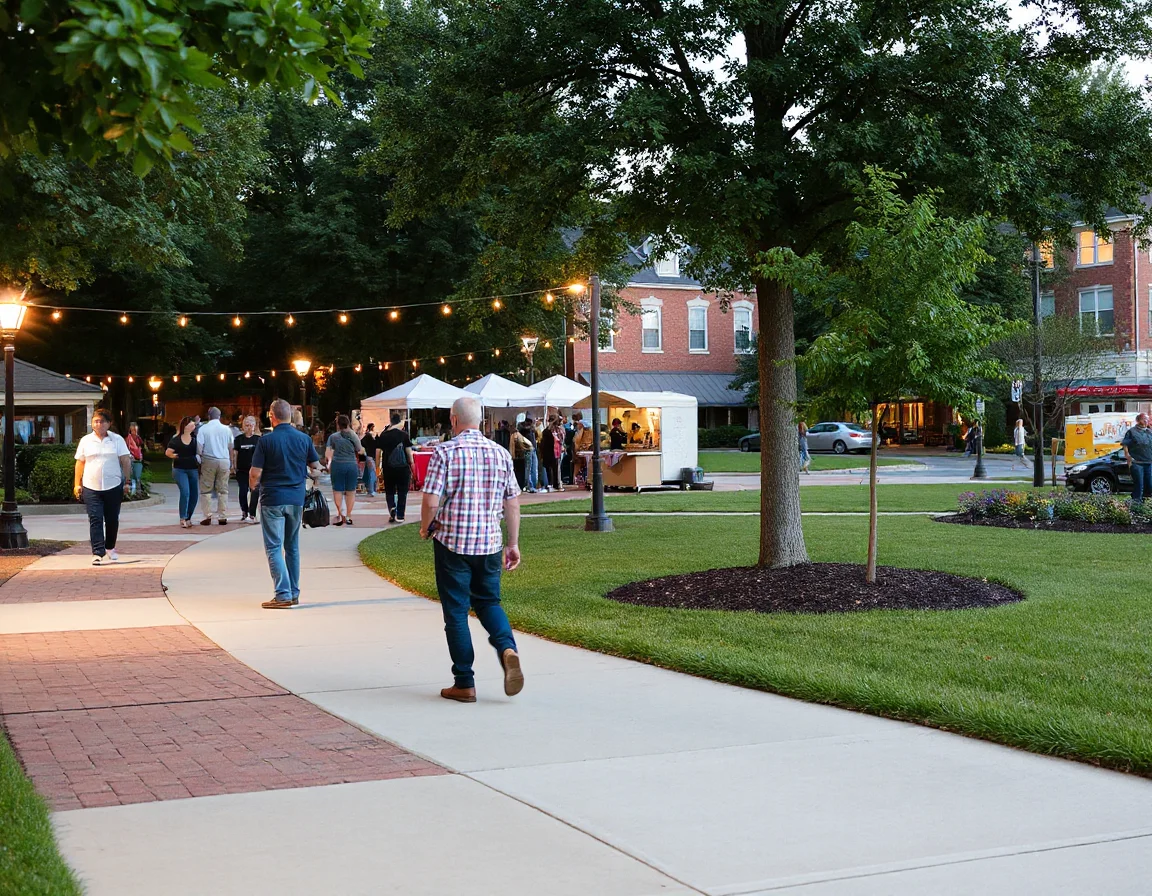
When weighing convenience, it also helps to think beyond the morning drive. Access to recreation, shopping, public services, and entertainment can shape how a place feels over time. Upper Marlboro offers proximity to parks, trails, equestrian spaces, and regional attractions, while Waldorf stands out for its concentration of everyday retail and entertainment options. Buyers who enjoy having many practical stops nearby may lean one way, while those who prefer a more residential atmosphere with open space nearby may lean the other.
Schools are another important part of the conversation, and the best approach is to evaluate them based on current attendance boundaries, program offerings, transportation considerations, and individual priorities. Because boundaries and assignments can change, buyers should confirm details directly with the relevant school district and review the most up-to-date public information while comparing neighborhoods in either area.
Housing Style, Price Range, and Neighborhood Feel
Upper Marlboro’s housing inventory often includes communities with newer construction, larger lot configurations in some sections, and homes that emphasize a more residential, set-back streetscape. In certain neighborhoods, buyers may find properties with modern layouts, garages, community amenities, and a bit more visual separation between one subdivision and the next. The result can feel polished, spacious, and somewhat quieter depending on location.
Waldorf tends to offer a broad spectrum of housing opportunities, and that variety is part of its strength. Some buyers are drawn to neighborhoods with mature trees and established homes, while others focus on newer developments with updated finishes and planned amenities. Because of the area’s scale, it is often possible to compare several home types in one search: condos, townhomes, colonials, ramblers, and larger detached properties can all be part of the mix.
From a market perspective, the “better value” question depends on what you want most. One buyer may define value as square footage and convenience to retail; another may define it as commute efficiency, newer construction, or neighborhood setting. That’s why side-by-side tours are so useful. Looking at online listings is a start, but physically driving both areas often reveals subtle differences in traffic flow, upkeep, lot size, noise levels, and access points that photos alone won’t capture.

Community feel can be equally personal. Some buyers appreciate Upper Marlboro’s blend of civic history, suburban development, and green surroundings. Others prefer Waldorf’s energetic, highly practical setup, where so much of daily life can happen within a relatively compact commercial orbit. Both markets continue to attract attention from people moving within Maryland and from nearby Washington, DC, thanks to their regional access and range of housing options.
How to Decide Which Area Fits Your Search
A smart way to compare Upper Marlboro and Waldorf is to rank your top priorities before scheduling tours. Start with a short list: commute route, target monthly payment, desired home style, lot size, and how close you want to be to parks, shopping, and major roads. Then review active listings in both areas with the same criteria so the comparison stays consistent. That process usually brings the answer into focus much faster than relying on general impressions alone.
If your goal is a suburban setting with strong access to Prince George’s County employment centers and a mix of newer communities and established enclaves, Upper Marlboro may feel like the stronger fit. If you want a broad suburban footprint with abundant retail, a wide range of neighborhood options, and a self-contained daily routine, Waldorf may rise to the top. Both offer meaningful advantages, and the right choice comes from matching the location to your actual day-to-day needs.
For buyers exploring either market, clear local guidance can make the process smoother. Quenell Prather with Taylor Properties works with Maryland clients and understands how to compare communities through the lens of pricing, property type, and regional access. Whether you are narrowing your search to one area or still weighing both, the best next step is a focused tour plan that turns a broad question into a confident decision.